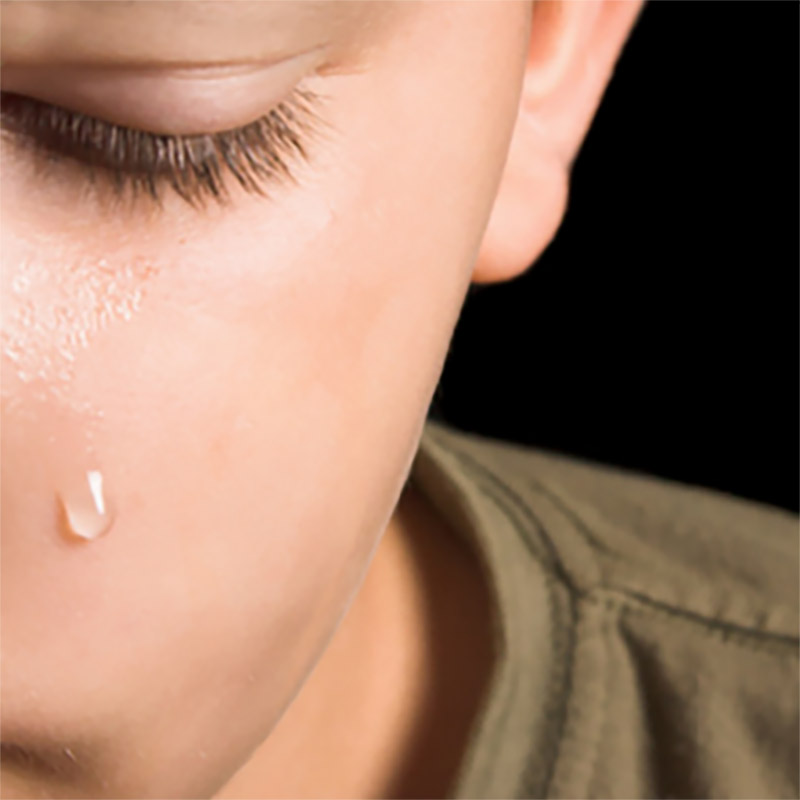


This Webinar will explore the dynamic links between untreated child abuse and violent behavior in adolescence and adulthood. The role of untreated childhood trauma in producing the “moral damage” and “emotional damage” evident in the lives of killers is substantial. This analysis is based upon the presenter’s 20 years of experience as a psychological expert witness in murder cases.
Learning Objectives:
- The participant will be able to describe three consequences of untreated childhood trauma.
- The participant will be able to summarize two elements of the “war zone mentality” in violent individuals.
- The participant will be able to explain two strategies for reducing violence in traumatized individuals.
Related products

Parenting Webinars
$25.00
The Webinar will draw on Dr. Robert Firestone’s theoretical understanding of emotional hunger as well as attachment theory to explore the causes and consequences of emotional hunger.

Parenting Webinars
Adolescent Mental Health: Creating a Pathway for Healthy Development
$25.00
Take a look at some of the invaluable lessons we can draw from the fields of interpersonal neurobiology.

Parenting Webinars
Helping Youth Cope With Perceived Racism, Prejudice and Bias
$25.00
Reflect on their experiences of working with youth and learn strategies that may be helpful for youth to navigate a culturally complex world.

Parenting Webinars
$25.00
Relationships that honor differences and promote linkages between two people are the integrative heart of health.

Parenting Webinars
$25.00
A child’s developing mind, brain, and body is affected by the difficulties he or she encounters.
Parenting Webinars
$25.00
The emotional reactivity of the brain to illuminate many of the potential risk factors during these transformative years of life.

Depression Webinars
In an Unspoken Voice: How the Body Releases Trauma and Restores Goodness
$25.00
Understanding of the source of trauma to a spiritual dimension of how we, as human beings, can be strengthened by traumatic healing.

Depression Webinars
The Psychology of Violent Television: Why We Watch and How it Affects Us
$25.00
Drs. Sheldon Solomon and Jonathan Bassett review psychological theories that explain why audiences are drawn to violent television and the impact violent television has on us.